
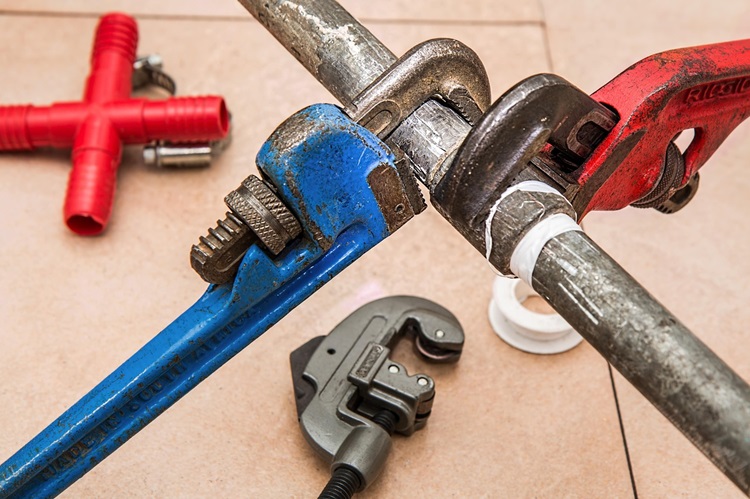
When it comes to home improvement, most homeowners focus on aesthetic upgrades—fresh paint, modern furniture, or a landscaped yard. However, one of the most critical yet often overlooked aspects of home improvement is plumbing. Proper plumbing not only ensures a functional and comfortable home but also prevents costly damage and enhances property value. From fixing leaks to installing modern fixtures, plumbing home improvement combines practicality with long-term investment.
Understanding the Importance of Plumbing
Plumbing is the system that brings water into your home, removes waste, and maintains hygiene. Despite being “hidden” behind walls and under floors, plumbing impacts nearly every aspect of daily life—from cooking and bathing to heating and cleaning. Ignoring plumbing issues can lead to severe consequences, including:
-
Water Damage: A small leak can evolve into major flooding, damaging walls, floors, and foundations.
-
Health Risks: Contaminated water or stagnant waste can lead to illnesses.
-
Increased Bills: Leaks waste water and increase utility costs.
-
Reduced Property Value: Homes with outdated or faulty plumbing often struggle to sell.
Investing in plumbing home improvement ensures your home functions efficiently while safeguarding your health and finances.
Common Plumbing Issues and Their Solutions
Before diving into improvements, it’s important to recognize common plumbing problems that homeowners face:
1. Leaks and Drips
Leaky faucets, pipes, or toilets not only waste water but can cause mold growth and structural damage. The solution often involves replacing washers, tightening fittings, or, in severe cases, installing new pipes.
2. Low Water Pressure
Low water pressure can result from clogged pipes, corroded fixtures, or leaks in your plumbing system. Solutions include pipe cleaning, replacing corroded pipes, or installing water pressure boosters.
3. Clogged Drains
Kitchen sinks, bathtubs, and toilets are prone to clogs caused by grease, hair, or foreign objects. Regular maintenance, enzyme-based drain cleaners, and installing strainers can prevent these issues.
4. Water Heater Problems
A malfunctioning water heater can leave you without hot water or increase energy bills. Regular flushing, thermostat checks, and occasional replacement are key to keeping your system efficient.
5. Sewer Line Issues
Old or damaged sewer lines can cause backups and unpleasant odors. Hydro-jetting, pipe lining, or full replacement may be necessary depending on the severity.
Plumbing Upgrades That Improve Home Value
Modern plumbing upgrades can transform your home, making it more efficient, aesthetically pleasing, and attractive to potential buyers.
1. Installing Water-Efficient Fixtures
Replacing old faucets, showerheads, and toilets with water-efficient models saves water and reduces utility bills. Look for fixtures with the WaterSense label, which ensures high performance and conservation.
2. Upgrading Pipes
Older homes often have galvanized or lead pipes, which are prone to corrosion and can affect water quality. Replacing them with copper or PEX pipes enhances water flow, safety, and longevity.
3. Modernizing Bathrooms and Kitchens
Bathroom and kitchen renovations are closely tied to plumbing. Installing modern sinks, faucets, and appliances can significantly improve the home’s functionality and appearance. Features like touchless faucets and smart showers add convenience and a touch of luxury.
4. Installing a Tankless Water Heater
Tankless water heaters provide hot water on demand, reducing energy consumption and freeing up space. They are an excellent upgrade for homes looking to modernize their plumbing systems.
5. Adding a Water Filtration System
With growing awareness of water quality, installing filtration systems ensures safe drinking water throughout the home. This is particularly beneficial in areas with hard water or older plumbing systems.
Preventive Plumbing Maintenance
Investing in preventive maintenance can save thousands of dollars in repairs and extend the lifespan of your plumbing system. Some essential maintenance tasks include:
-
Regular Inspections: Have a professional plumber inspect your system annually to identify potential issues.
-
Pipe Insulation: Insulate pipes to prevent freezing and bursting in cold weather.
-
Drain Cleaning: Regularly clean drains to prevent clogs and slow drainage.
-
Water Pressure Checks: Maintain optimal water pressure to avoid strain on pipes.
-
Leak Detection: Use smart leak detectors to catch problems early.
Preventive maintenance is a small investment with enormous long-term benefits.
DIY vs Professional Plumbing Improvements
While some plumbing improvements can be handled by confident DIY enthusiasts, others require professional expertise. Knowing the difference is crucial:
DIY Plumbing Tasks
-
Replacing faucets and showerheads
-
Fixing minor leaks
-
Cleaning drains
-
Installing small appliances like dishwashers or washing machines
Professional Plumbing Tasks
-
Replacing main water lines or sewer lines
-
Installing water heaters
-
Complex pipe rerouting
-
Detecting and fixing hidden leaks
-
Major bathroom or kitchen remodels
Professional plumbers bring experience, tools, and safety measures that reduce the risk of errors and long-term damage.
Plumbing and Home Energy Efficiency
Plumbing doesn’t just affect water—it also impacts energy efficiency. Hot water systems account for a significant portion of household energy consumption. By upgrading to energy-efficient water heaters, insulating pipes, and using low-flow fixtures, homeowners can reduce both water and energy bills.
Smart plumbing technologies, such as automated leak detection, water usage monitoring, and smart thermostats for water heaters, further enhance efficiency. These upgrades not only save money but also appeal to environmentally conscious buyers.
Plumbing Home Improvement Trends
The plumbing industry continually evolves with technology and design trends. Homeowners can consider the following:
-
Smart Plumbing Systems: These include leak detectors, automated shut-off valves, and water usage monitors.
-
Eco-Friendly Fixtures: Low-flow toilets, faucets, and showerheads are now standard in sustainable home designs.
-
Luxury Bathrooms: Rainfall showers, freestanding tubs, and spa-like features are increasingly popular.
-
Hidden Plumbing Solutions: Concealed pipes, tankless water heaters, and underfloor heating systems improve aesthetics without sacrificing functionality.
Staying updated on trends ensures your home remains modern, efficient, and comfortable.
Budgeting for Plumbing Home Improvement
Plumbing upgrades can range from minor DIY fixes costing a few hundred dollars to major renovations reaching tens of thousands. Budgeting requires considering:
-
Material Costs: Pipes, fixtures, and appliances vary in price.
-
Labor Costs: Hiring professional plumbers ensures quality work but adds to the budget.
-
Permits: Some plumbing upgrades require municipal permits, especially for water lines or sewer connections.
-
Contingencies: Always allocate 10–20% of your budget for unexpected issues.
A well-planned budget helps balance quality, efficiency, and aesthetics while avoiding financial surprises.
Conclusion
Plumbing home improvement is more than just fixing leaks—it’s about enhancing the functionality, safety, and value of your home. From small maintenance tasks to major renovations, investing in plumbing ensures comfort, efficiency, and long-term peace of mind.
By addressing common issues, upgrading fixtures, maintaining your system, and leveraging modern technologies, homeowners can transform their living spaces while protecting their investment. Whether you tackle minor improvements yourself or hire professionals for complex projects, prioritizing plumbing is a smart and practical approach to home improvement.
Remember, a well-plumbed home is not just convenient—it’s a foundation for a healthy, efficient, and enjoyable living environment.